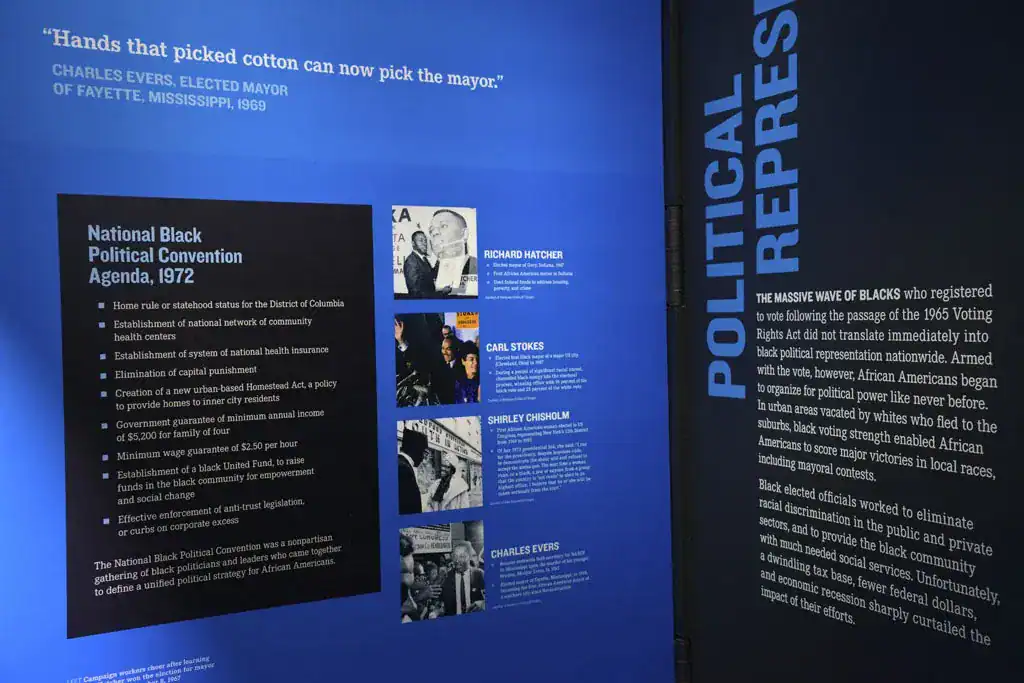
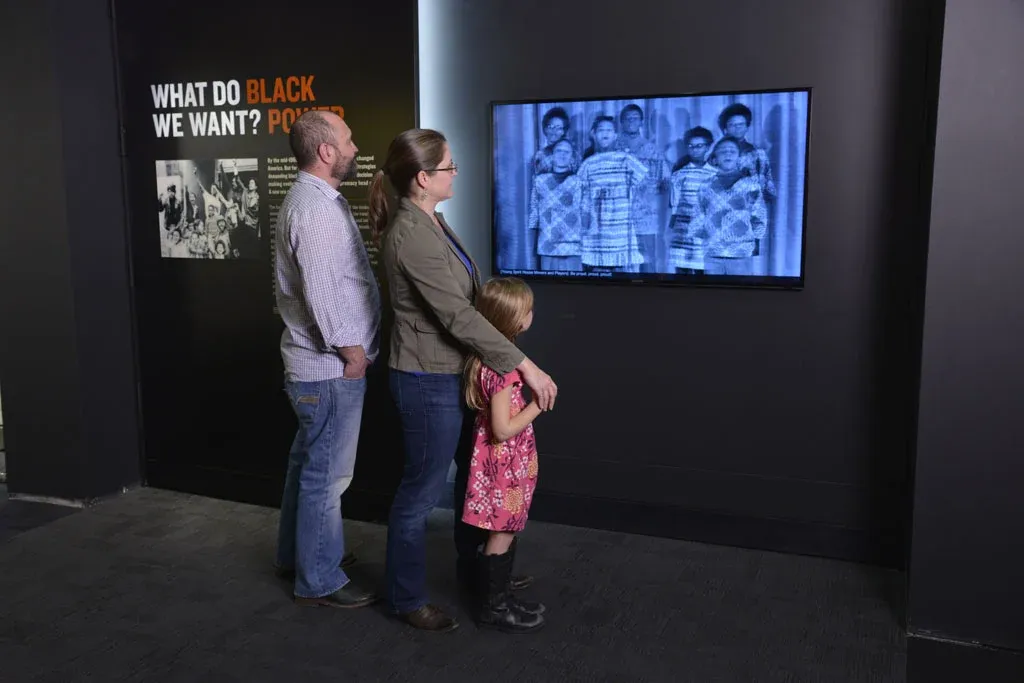
The Black Power exhibit shares the rise and fall of one of the most influential, yet often misunderstood, movements in the civil rights struggle. Interpretation of the Black Power movement explains it as a continuation of the Civil Rights Movement rather than a radical new movement.
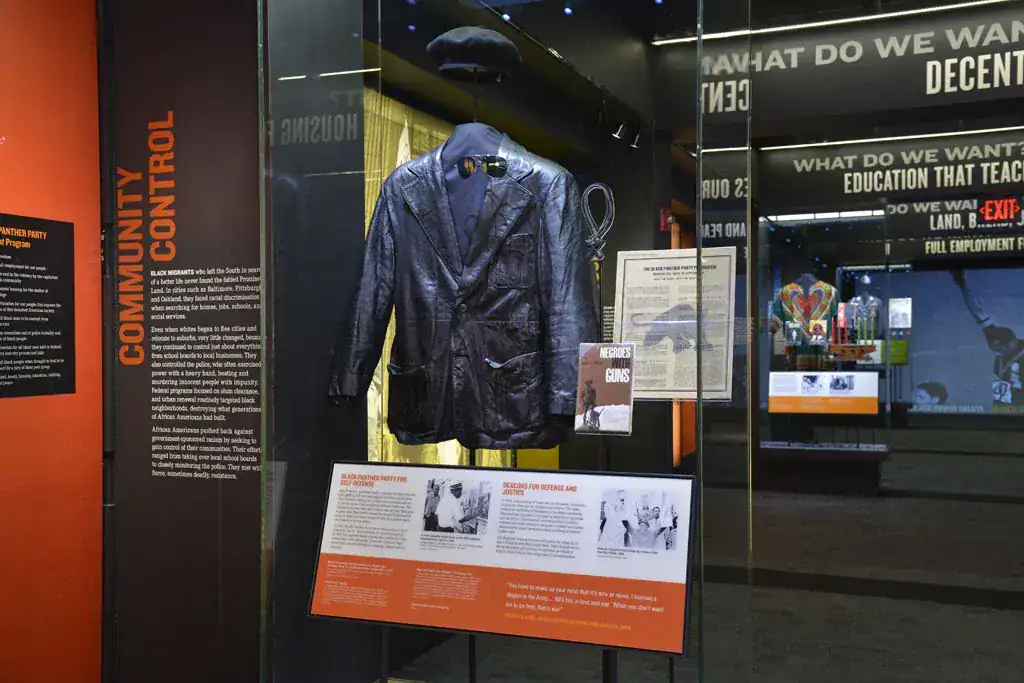
What do we want?
Exhibit on the rise and fall of the Black Power movement, interpreted as a continuation of the Civil Rights Movement rather than a radical break from it.
Related Exhibitions
A Culture of Resistance
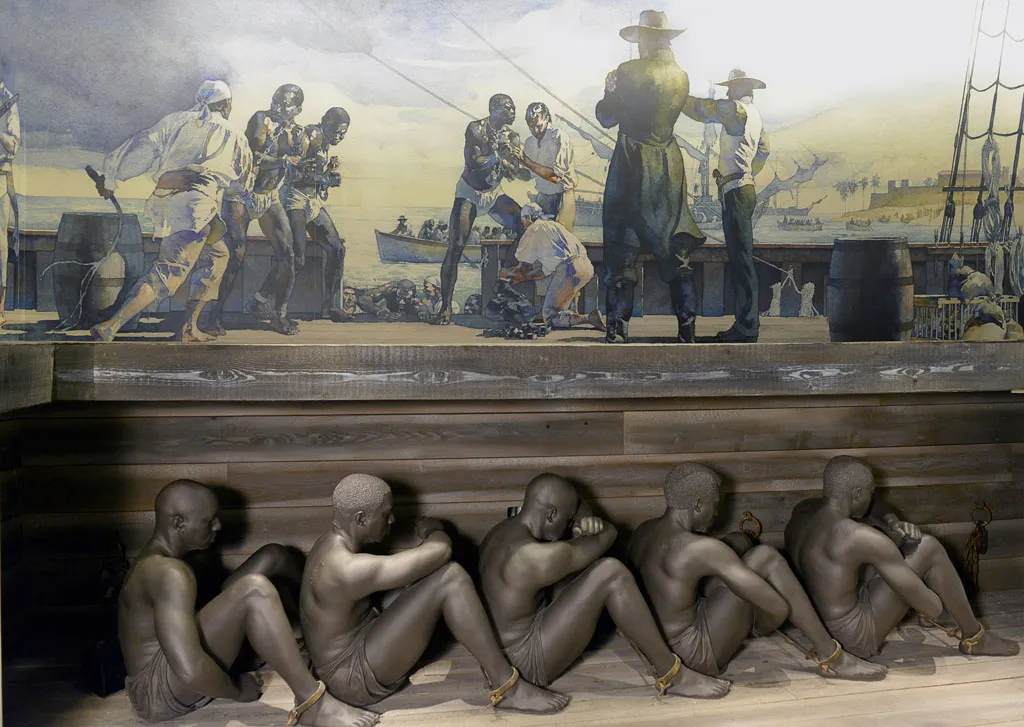
Circular gallery with a floor map of the Atlantic world and illuminated channels presenting statistics and information about the Atlantic slave trade.
Explore →
Assassination & Aftermath
Exhibit on the assassination of Dr. King on April 4, 1968 and its aftermath, including investigation materials, footage, and firsthand accounts.
Explore →
Freedom Award Gallery
Gallery introducing Freedom Award honorees through dynamic media, personal artifacts, and interactive features that reveal the convictions driving each honoree.
Explore →
Hope Is a Discipline
Interactive exhibition that frames hope as an active practice of collective action, culminating in a participatory visitor-response space.
Explore →
Making Change
Permanent gallery space exploring visibility, organizing for change, and changemakers; includes related experiences Being Seen, Being Heard and Changemakers (Hope Is a Discipline is a standalone exhibition).
Explore →
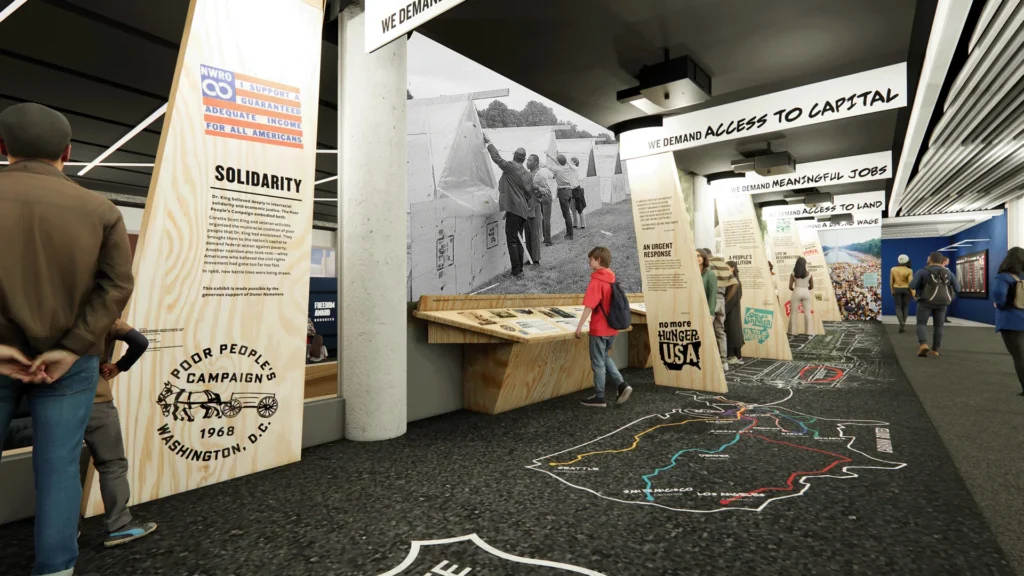
Movements: 1968 to Now
Experience tracing how movements for justice expanded and evolved after 1968, from grassroots organizing to global activism shaped by media, culture, and technology.
Explore →